Islamic Studies for Kids: Live Lessons in Beliefs, Salah, Seerah and Manners
Islamic studies for kids at LQO teach children what Muslims believe, how to pray and how to behave, in short live lessons with a patient one-to-one teacher.
Lessons are planned by age, girls can be taught by a woman, and the first week is free.
- Live one-to-one classes
- Ijazah-qualified teachers
- Male and female teachers
- 1-week free trial
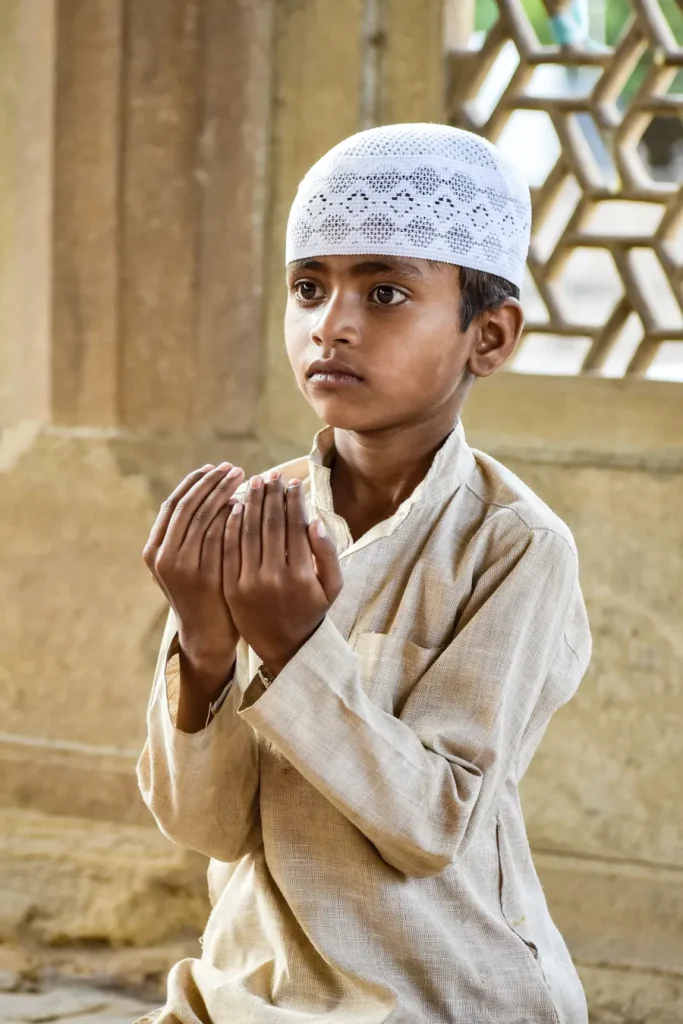
Lessons planned by age
Salah, duas and manners
50+ Ijazah teachers
Teaching since 2008
Topics
What Will Your Child Learn in Islamic Studies?
The course covers six areas, based on the hadith of Jibril in Sahih Muslim (8), which describes Islam, Iman and Ihsan.
Aqeedah
The six articles of faith: Allah, His angels, books, messengers, the Last Day and Qadr.
The Five Pillars
Shahadah, Salah, zakah, fasting in Ramadan and Hajj, explained with real examples.
Salah and Wudu
Each step of wudu and prayer, practised on camera until your child does it alone.
Seerah and Prophets
Stories of Adam, Nuh, Ibrahim, Musa, Isa and the life of Prophet Muhammad.
Duas and Adhkar
Short daily duas for eating, sleeping, leaving home and entering the masjid.
Akhlaq
Honesty, kindness to parents, sharing and good manners at school and online.
By Age
What Do Children Learn at Each Age?
Topics come back every year in more depth, so a 6-year-old and a 12-year-old learn the same truths at different levels. Your child’s teacher adjusts the plan after the first week.
| Age | Main Topics |
|---|---|
| 5 to 7 | The Kalima, short duas, wudu steps, stories of the Prophets |
| 8 to 10 | The five pillars, the full Salah, the life of the Prophet, Ramadan |
| 11 to 14 | The articles of faith in depth, rules of purity, fasting and prayer, manners online and at school |
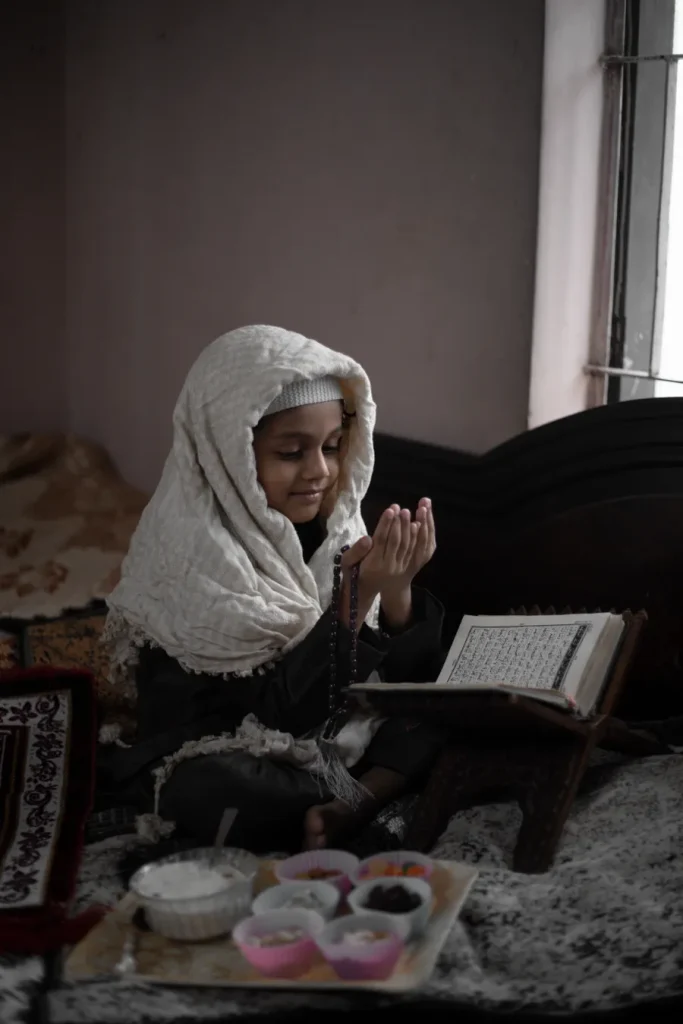
How Lessons Work
How Is an Online Islamic Studies Lesson Taught?
Each 30-minute lesson moves through a story or explanation, a few questions to check understanding, and one small action for the week, such as saying Bismillah before every meal.
Practical topics are done live. Your child shows wudu or the positions of Salah on camera, and the teacher corrects each step kindly.
Good Islamic classes for kids stay short and active. A younger child may cover one story and one dua in a class, while older children discuss questions such as why Muslims fast or how to stay honest online.
Parents hear what was taught, so the same lesson can be repeated at home at dinner or bedtime.
The 7-7-7 Rule
What Is the 7-7-7 Rule Parents Talk About?
It is a popular saying that divides childhood into three stages of seven years: play with them, teach them, then befriend them. It is often credited to Ali ibn Abi Talib.
The saying is not found with a reliable chain in the major hadith collections, so it should not be quoted as a hadith. Its gentle spirit, though, fits how our teachers approach young children and their parents.
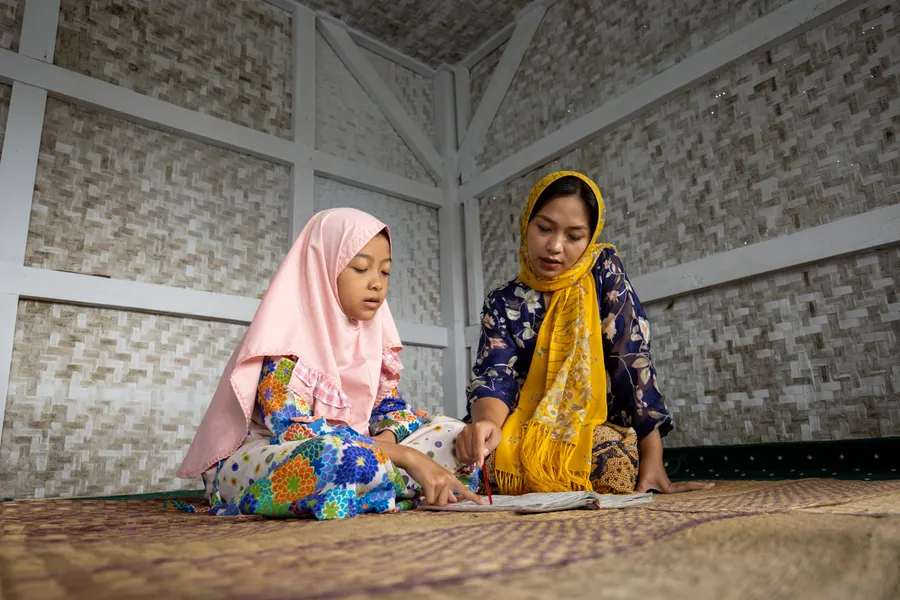
Comparison
Teaching Islam at Home Alone or With a Teacher Too?
Most parents already teach their children the basics of Islam at home, through prayer, stories and example.
| Question | Parents Alone | Parents With a Teacher |
|---|---|---|
| Structure | Depends on busy weeks | A set lesson every class |
| Covering every topic | Easy to miss areas like aqeedah | A planned route by age |
| Hard questions | Parents may be unsure | Answered with sources |
| Practice of Salah and wudu | Corrected by parents | Checked step by step on camera |
| Role of parents | Everything | Example and daily reminders |
A teacher never replaces a parent’s example. The strongest results come when what is taught in class is lived at home.
Questions
What Else Do Parents Ask About Islamic Studies?
Still have a question? Our team answers on WhatsApp and will help you pick the right course and time.
What age should a child start formal Islamic studies?
Many children start around 5, once they can sit for a short lesson and answer simple questions. Younger children learn mainly through stories and duas with their parents at home.
Can my child study Islamic Studies and Quran together?
Yes. Many children take Quran reading or Hifz on some days and Islamic studies on others. Tell us both goals when you book and we will plan the week with you.
Are online Islamic studies for kids suitable for children of reverts?
Yes. Lessons start from the basics and never assume prior knowledge, which suits families new to Islam. Parents can also join our classes for new Muslims themselves.
Can girls learn with a female teacher?
Yes. Girls can ask for a female teacher when booking, which many families prefer as daughters grow older and topics such as purity are taught.
Will my child get homework?
Only small, practical tasks, such as learning one dua, praying one Salah on time each day or telling a sibling a Prophet’s story. The aim is practice, not worksheets.
How do I choose the best online Islamic classes for kids?
Choose a teacher who teaches by age, explains with sources, corrects Salah and wudu live, and keeps lessons short. Then sit in on the free week and watch how your child responds.
Get started
Where Can You Book Islamic Studies for Kids?
Tell us your child’s age, what they know already and the times that suit you, and our team arranges a free week with a patient teacher.
Call our US line
Request your free week
It takes under a minute. We will message you on WhatsApp to arrange your first class.
No payment details needed. We use your details only to arrange your classes. Privacy policy.